
Are You Smarter than a 5th Grader?
“Are You Smarter Than a 5th Grader?” is a quiz-based format built around a simple but effective premise: adults are challenged with questions taken directly from elementary school textbooks. The show thrives on the contrast between what grown-ups believe they remember and what they can actually recall under pressure.
The tone is light, playful, and accessible. By including real fifth-grade students as part of the cast, the format creates a dynamic blend of humor, nostalgia, and genuine academic challenge. This combination makes the show appealing to families, trivia fans, and casual viewers alike.
Gameplay Structure
Each contestant faces a series of questions organized by grade levels, from first to fifth grade. The subjects span math, geography, history, science, and language arts, increasing in difficulty as the game progresses. The host guides the contestant through the steps, balancing clarity with humor.
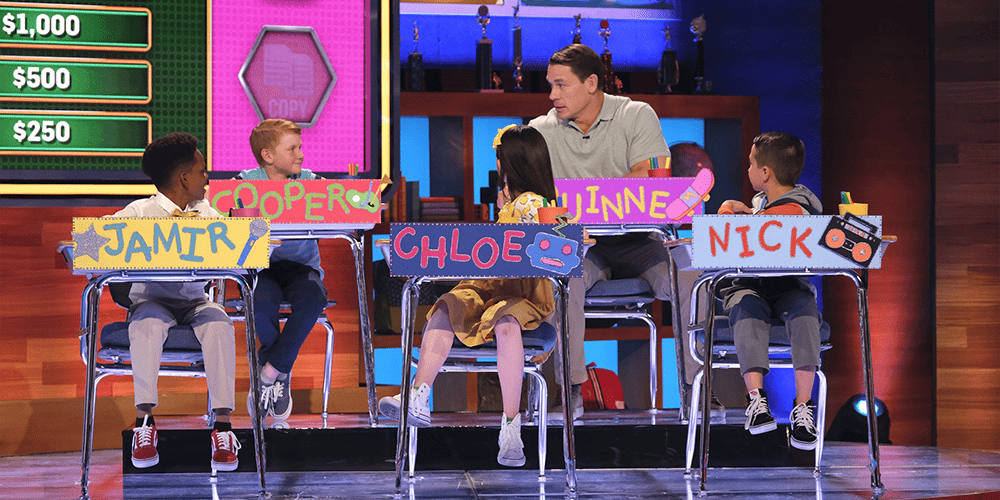
Fifth-grade classmates assist the contestant throughout the game. Lifelines like “Peek,” “Copy,” or “Save” allow players to rely on the children’s answers when they feel uncertain. This mechanic amplifies the tension while also emphasizing the competence of the young helpers.
The Role of the Students
Fifth-graders play an essential part in shaping the show’s identity. They sit at desks, react to the questions, and offer their own answers — recreating the feeling of a real classroom within a game show structure.
Their confidence often contrasts with the adults’ hesitation. This contrast reinforces the central comedic element of the show and produces many memorable, unscripted moments. The students add personality, warmth, and authenticity to every episode.
Educational and Entertainment Appeal
The show successfully balances academic material with entertainment. Viewers naturally play along, testing their own memory and discovering how much of their elementary-school knowledge they’ve retained. This interactivity makes even simple questions engaging.

At the same time, the show encourages curiosity and learning. It reminds audiences that foundational knowledge is more nuanced than it appears and that adults often underestimate the difficulty of school-level subjects. This dual appeal keeps the show relevant across age groups.
Host and Presentation Style
The host drives the humor, pacing, and energy of the show. Their interactions with contestants and kids set the tone — supportive, funny, and slightly teasing when needed. The classroom-themed set reinforces the educational premise and makes the format instantly recognizable.
Visual transitions, music cues, and structured question progression keep the flow consistent. The presentation is designed to be clear for viewers of all ages, making the format easy to understand even for first-time watchers.
Cultural Impact and Legacy
Since its debut, the show has become a widely recognized franchise with multiple international versions. Its concept is universal, making it adaptable across languages and cultures while preserving the same core idea.
The phrase “Are you smarter than a fifth grader?” has entered everyday vocabulary, reflecting the show’s influence on pop culture. Its mix of humor, education, and competition ensures a lasting presence in the world of modern game shows.