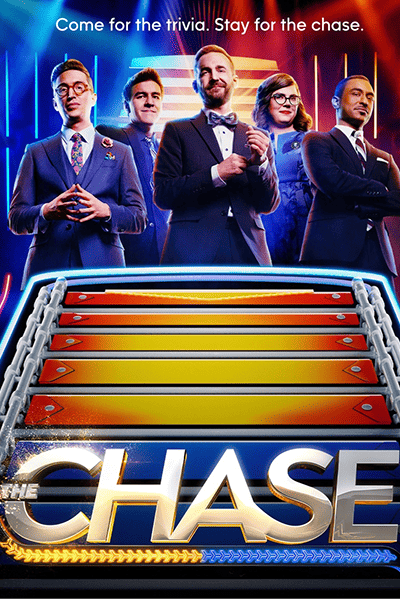
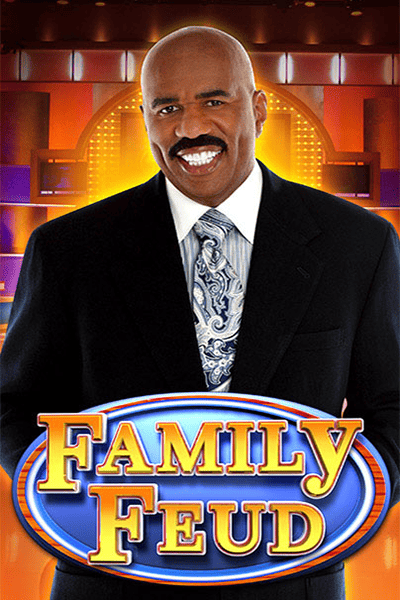
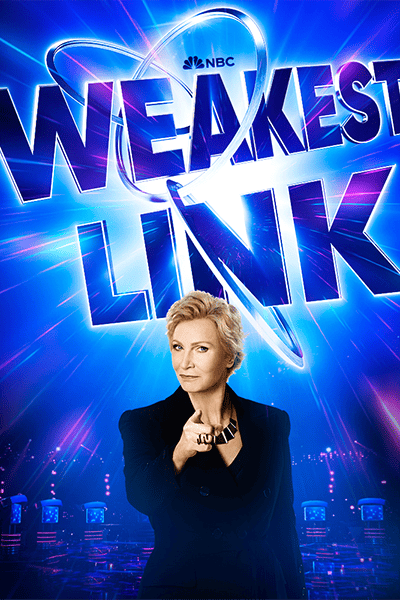
Classic
Who Wants to Be a Millionaire?

Live game shows are dynamic, high-energy interactive experiences where viewers transform from passive observers into direct participants. Instead of simply following what’s happening on screen, the audience becomes an active force influencing the flow of the show. The spectrum of formats is wide: from reimagined classic trivia to large-scale real-time quests, tactical challenges, social experiments, and hybrid formats that combine storytelling with competitive gameplay.
This page collects projects that span multiple tones and genres — from warm family competitions to intense, high-stakes money challenges where every decision matters. Each format is carefully adapted to its target audience, the distribution platform, and the technical capabilities of the venue. This ensures that every project delivers the right pace, tone, and level of interactivity for its environment.
Before moving to the breakdown, here are the essential principles that define any strong live game show. These are the elements that make the format engaging, readable, and memorable for a wide audience:
Together, these elements shape the emotional rhythm of the show, define its identity, and ensure that viewers stay engaged from the introduction to the final reveal. Every successful game show builds its structure around these principles.
All shows on the platform are divided into several broad categories: money-based competitions, family-friendly games, extreme survival-style formats, and intellectual quiz experiences. This classification helps viewers navigate the catalog faster, discover content that fits their taste, and assemble a personalized playlist of shows that match their preferred intensity, tone, and level of challenge.
Each new project goes through multiple stages of development: concept testing, mechanic prototyping, audience reaction studies, and live simulation. This iterative process allows us to refine pacing, difficulty, and interactivity before the show ever reaches production. We emphasize clarity, accessibility, and emotional payoff in every format we create.
Our goal is to build game shows that are not only entertaining but also structurally sound, scalable across platforms, and capable of delivering consistent engagement for both live and asynchronous audiences.
Live game shows are evolving rapidly: real-time technologies, interactive streaming tools, and cross-platform integrations are expanding what these formats can be. We are moving toward shows where thousands of viewers can influence outcomes simultaneously, where gameplay reacts to audience sentiment, and where narrative and mechanics blend seamlessly.
As these technologies grow, we continue experimenting with new ways to merge entertainment, choice, and emotion — creating formats that feel immediate, personal, and deeply engaging for each viewer.